
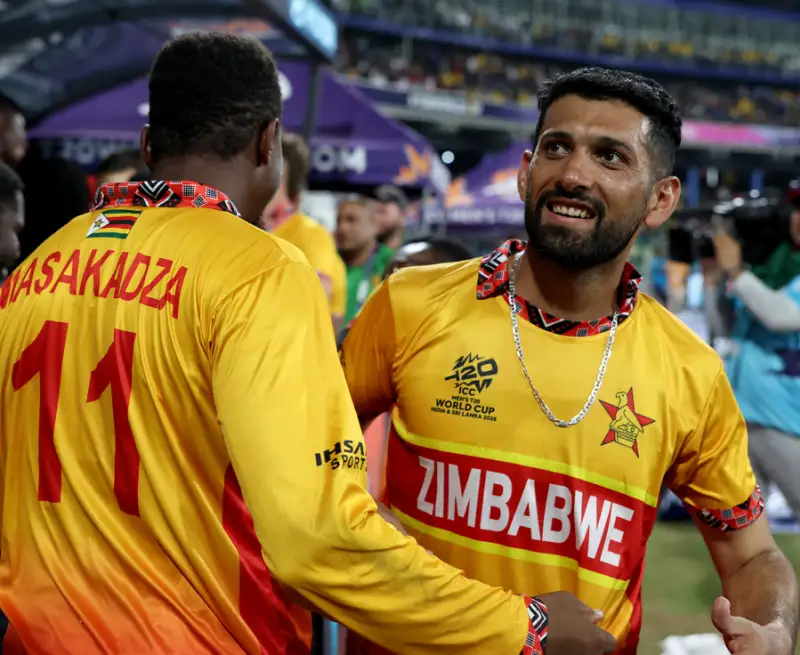

Cricket World Cups often revolve around the big names. India, Australia, England, Pakistan. The conversations usually begin and end there. But if there was one thing that stood out during the T20 World Cup 2026, it was how the associate nations refused to remain just background characters.
Having travelled across venues during the tournament, one thing became very clear early on: no team was taking the associates lightly this time.
There was a different kind of confidence about them. You could sense it during practice sessions, in press conferences, and even in the way they walked onto the field. These teams had not come merely to participate. They had come with a point to prove.
And more often than not, they did.
The gap between the full-member nations and associate teams has been shrinking for a few years now, but this tournament perhaps highlighted that shift better than anything else. On several occasions, established teams found themselves pushed to the limit by sides that, until recently, were considered easy opponents.
One afternoon in Delhi, during a tightly contested game involving an associate side, the atmosphere inside the stadium felt anything but one-sided. The stands were dotted with flags from countries that many Indian fans would have struggled to locate on a cricket map a decade ago. Yet here they were, waving proudly, their voices carrying across the stadium.
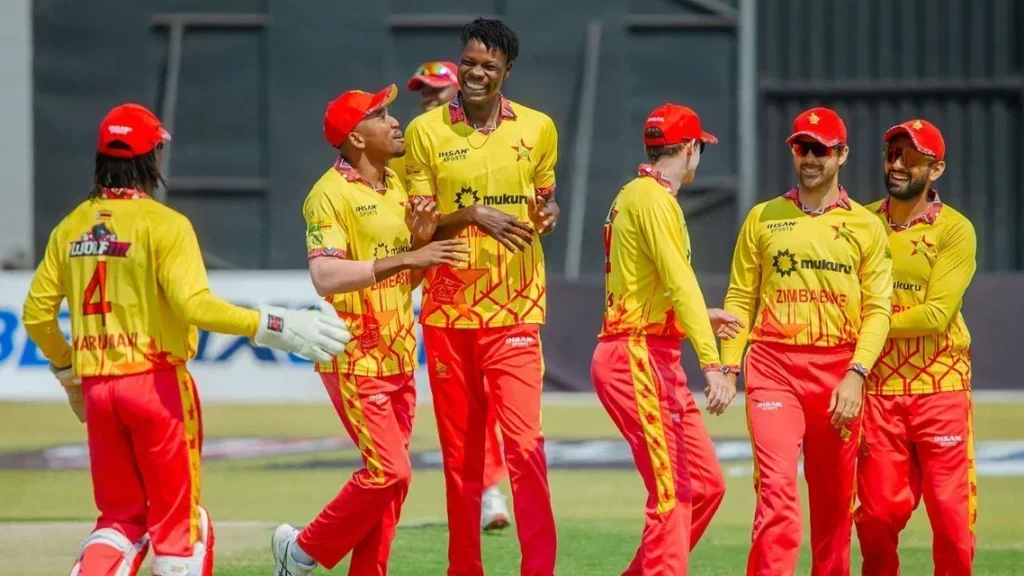
Fans had travelled from different parts of the world to support their teams. Some had flown in groups, wearing national colours, singing songs, and celebrating every boundary or wicket as if it were a World Cup final. In a tournament dominated by cricket’s biggest nations, these pockets of colour brought a unique energy.
“I have been following this team for ten years,” said Mark Johnson, a supporter who had travelled from the United States to watch their matches. “Earlier, we would lose games badly. Now we come here expecting to compete. That’s the difference.”
That difference was visible on the field as well.
Associate teams showed they had the firepower to challenge anyone on their day. Their batters played fearless cricket, taking on bowlers who regularly dominate international leagues around the world. There were innings that made commentators sit up, bowling spells that changed games, and moments that forced stronger teams to rethink their plans.
However, if there was one area where the difference still showed, it was in handling pressure during crucial moments.
Several associate teams found themselves in winning positions but struggled to close games out. A dropped catch here, a mistimed shot there, or a couple of quiet overs at the wrong time often proved costly.
As one associate captain admitted after a narrow defeat, “Skill-wise we are not very far now. But big teams have played these pressure moments many times. For us, these are still new situations.”
That learning curve was perhaps the biggest takeaway from the tournament.
Crowds across India also played their part in making the tournament memorable for these teams. Unlike in many previous World Cups where associate matches were sparsely attended, stadiums this time saw impressive turnout for almost every game.
Indian fans, known for their love of good cricket regardless of the teams involved, turned up in large numbers. Some came out of curiosity, others simply to watch a game of cricket. But by the end of many matches, they had found themselves cheering for players they had barely heard of before the tournament began.
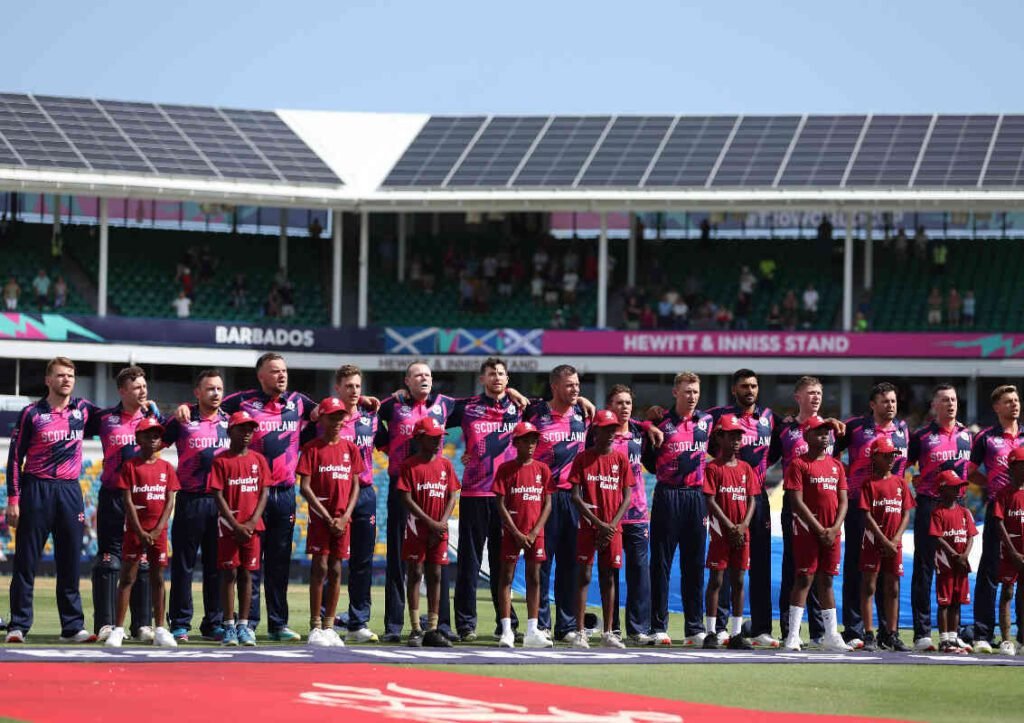
One coach from an associate team summed it up perfectly after their final match of the tournament.
“People used to say associate teams are here just to fill the schedule,” he said with a smile. “I don’t think anyone is saying that anymore.”
The results might still show a gap between the established cricketing powers and the emerging nations. But the performances in this World Cup suggested that the distance is no longer as vast as it once was.
For associate teams, the T20 World Cup 2026 was not just about wins and losses. It was about announcing themselves on the biggest stage.
And after what unfolded across stadiums in India over the past few weeks, the message was quite clear. They are here to stay.